
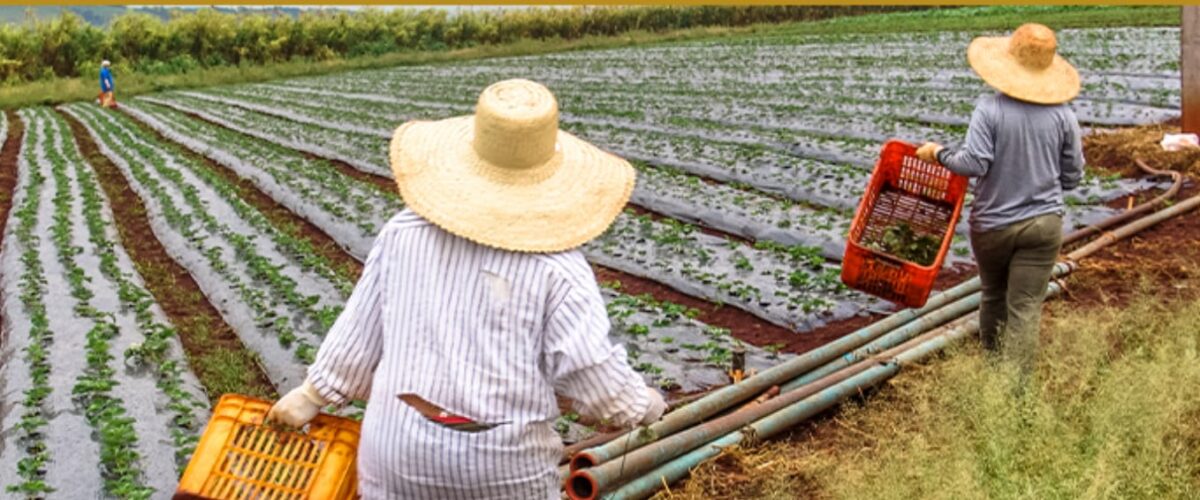
Navigating the Turbulent Waters of Global Fertilizer Markets and Food Security
In the context of global agriculture and food security, the pivotal role of fertilizers cannot be understated. As an expert in the global fertilizer markets and food security, I’d like to shed light on the complex interplay between fertilizer prices, agricultural productivity, and the broader implications for global food security.
Fertilizer, a critical component in agriculture, is facing unprecedented challenges. Recent developments, particularly the COVID-19 pandemic and the Russia-Ukraine war, have significantly impacted the cost and availability of fertilizers. This surge in fertilizer prices is raising concerns about food security worldwide.
The composition of fertilizers, primarily nitrogen (N), phosphorus (P), and potassium (K), is essential for plant growth. The rising cost of these elements directly influences food prices and has broader socio-economic ramifications, especially in low and middle-income countries. The spike in prices is primarily attributed to increased energy costs and supply curtailments influenced by geopolitical tensions and trade policies.
The sharp increase in natural gas prices, a key component in ammonia production, has significantly impacted the cost of nitrogen-based fertilizers. This scenario is further exacerbated by supply chain disruptions and production cutbacks in major producing regions like Europe and China. For instance, major fertilizer producers like Yara have significantly reduced their production capacity. Additionally, trade policies, including export restrictions by major suppliers like China and Russia, have added to the supply concerns.
These dynamics have created a global fertilizer market that is highly vulnerable to supply shocks. A large percentage of the world’s fertilizer production is traded internationally, with a few countries controlling a major share of the market. For example, Russia, China, and Qatar together accounted for a significant portion of nitrogen traded globally in 2019. The uneven distribution of phosphate and potash source deposits further compounds this concentration.
Countries heavily dependent on fertilizer imports from major suppliers like Russia and Belarus are facing immediate shortfalls. This situation is critical for regions like Africa, where fertilizer use is already limited. Any decline in fertilizer use due to supply constraints or increased costs could lead to reduced agricultural productivity and exacerbate food security concerns.
Furthermore, there is a growing need for sustainable fertilizer management. Overuse and inefficient application can lead to significant environmental issues without necessarily enhancing crop yields. Innovations in precision farming, development of fertilizer products with controlled nutrient release, and the adoption of sustainable agricultural practices are essential for balancing productivity with environmental stewardship.
As we look to the future, the agricultural sector must adapt to these evolving challenges. Governments and industry stakeholders need to collaborate on developing strategies that ensure fertilizer availability, promote efficient use, and mitigate environmental impacts. This could involve diversifying supply sources, investing in new technologies, and implementing policies that support sustainable agricultural practices.
In conclusion, the global fertilizer market is at a crossroads. The decisions made today will have lasting impacts on food security and environmental sustainability. It is imperative that we navigate these turbulent waters with a keen eye on both immediate needs and long-term goals, ensuring a stable, productive, and sustainable agricultural future.