
Chemical Properties: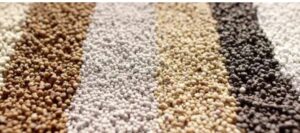
Formula: NH₄H₂PO₄
Molecular Weight: 115.03 g/mol
Nitrogen Content: Approximately 11% by weight
Phosphorus Content: Approximately 22% (as P₂O₅) by weight
Appearance: White crystalline solid, often in granular or powdered form
Solubility: Readily soluble in water
pH: 4.2 – 4.7 (1% solution at 25°C)
Monoammonium Phosphate (MAP) is a widely used source of phosphorus (P) and nitrogen (N) that’s essential for plant nutrition. It’s favored for its nutrient availability and its relatively low pH compared to other fertilizers.
Use Cases:
Agriculture: MAP is applied to a variety of soils and crops. It’s especially beneficial during the early stages of growth, where phosphorus availability is crucial for the development of roots.
Horticulture: Ideal for greenhouse and in-vitro applications, MAP is used for fertilizing flower and vegetable crops, encouraging robust root systems and healthy plant development.
Turf Management: MAP can be used to prepare the ground for seeding or sodding lawns, providing essential nutrients for the early stages of turf establishment.
MAP is a highly efficient source of phosphorus and nitrogen for plants. The application should be carefully managed, as excessive use can lead to high concentrations of phosphorus in water runoff, which may contribute to eutrophication of water bodies. It is recommended to consult with agricultural experts to determine the appropriate application rates for your specific needs.